Hope Is Not a Plan: When 'It'll All Work Out' Becomes a Way of Hiding
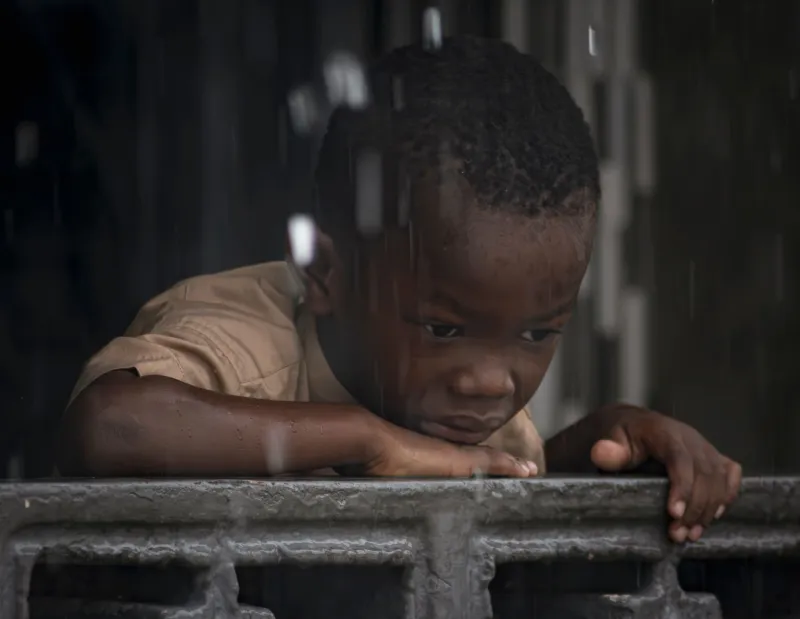
There's a phrase that shows up in almost every first session, usually said with a small shrug: "I figured it would just get better on its own."
Sometimes it's about a rough patch at work. Sometimes it's a marriage that's gone quiet. Sometimes it's a heaviness that's been sitting on someone's chest for so long they've stopped noticing it's there. And underneath all of it is the same quiet belief — that life is a lottery, and if they just wait long enough, their numbers will come up.
We get it. We really do. Hope is one of the most human things about us. But here's the uncomfortable truth we've built our whole practice around: hope without action is just a very polite form of hiding.
The Myth We Grew Up With
American culture loves a lucky-break story. The stranger who becomes your business partner in line at a coffee shop. The couple who "just knew." The person who woke up one day and the depression was gone. We tell these stories because they're comforting — they suggest that suffering has an expiration date we don't have to do anything to reach.
But the stories we don't tell are the ones that end quietly. The guy who waited five years for the anxiety to "settle down" and lost the friendship that used to keep him steady. The woman who assumed the distance in her marriage was a phase, until it was a roommate arrangement.
Waiting doesn't just fail to heal things. It gives problems a head start.
When Hope Becomes Avoidance
Here's the tricky part: avoidance almost never looks like avoidance. It looks like patience. Optimism. Being "low maintenance." Nobody says "I'm avoiding my pain" — they say "I'm staying positive."
So how do you know which one you're doing? Ask yourself a few questions:
- Is there a timeline attached to your hope? Real hope tends to come with a next step. "Things will work out" with no plan attached is often just a way of postponing a decision you're scared to make.
- Have you stopped telling people how you actually are? Passive waiting thrives in silence. If your standard answer to "How are you?" became "Fine, hanging in there" somewhere around two years ago, that's worth noticing.
- Does the thought of doing something about it make you more tired than the problem itself? Avoidance is exhausting in a sneaky way. It takes real energy to keep not-dealing with something.
- Are you waiting for a feeling to arrive before you act? Motivation doesn't usually show up first. Action comes first, and the feeling follows. Waiting to feel ready is waiting for a train that doesn't stop at your station.
If a few of those hit close to home, take a breath. This isn't a scolding. Avoidance is almost always protective — some part of you decided that facing the thing was too risky, too painful, or too big, and waiting felt safer. That part of you isn't broken. It just needs better information.
What Active Hope Actually Looks Like
The good news is you don't have to trade your optimism for grim determination. Active hope isn't the opposite of believing things can get better — it's the engine of it.
Active hope looks like this:
Naming the thing out loud. Not to everyone. Just once, to one person. "I've been struggling" is a sentence that breaks the spell of waiting.
Taking one small, unglamorous action. Not overhauling your life. Booking the consult call. Going for the walk. Having the conversation you've rehearsed forty times in the shower. Small is the point.
Letting other people help. The lottery myth is a solo myth — it imagines you alone, waiting for fate. But healing has never actually worked that way. Every therapy room in this country is evidence that getting better is something people do together.
Expecting progress to be boring. Nobody wins the lottery and then gradually wins it again over twelve weeks. Real change looks like a slightly better Tuesday, then another one, until one day you realize the heaviness has been gone for a month and you barely noticed it leave.
Why We Kept the Word 'Lucky'
People sometimes ask about our name. "Live Lucky" — in the therapy world, isn't that a little ironic?
That's exactly the point. We believe luck is real, but it's not the kind you wait for. It's the kind you make — the luck of the person who asked for help a year earlier than they "needed" to. The luck of the couple who walked in while things were strained instead of shattered. The luck that looks suspiciously like a decision.
If you've been waiting for things to work out on their own, consider this your nudge. Not because you're weak or broken — but because you deserve better than a life spent holding your breath.
Good fortune favors the ones who show up. And showing up can start with a single phone call.