Your Therapist Isn’t Bored: Why the Quiet Stretches in Session Matter
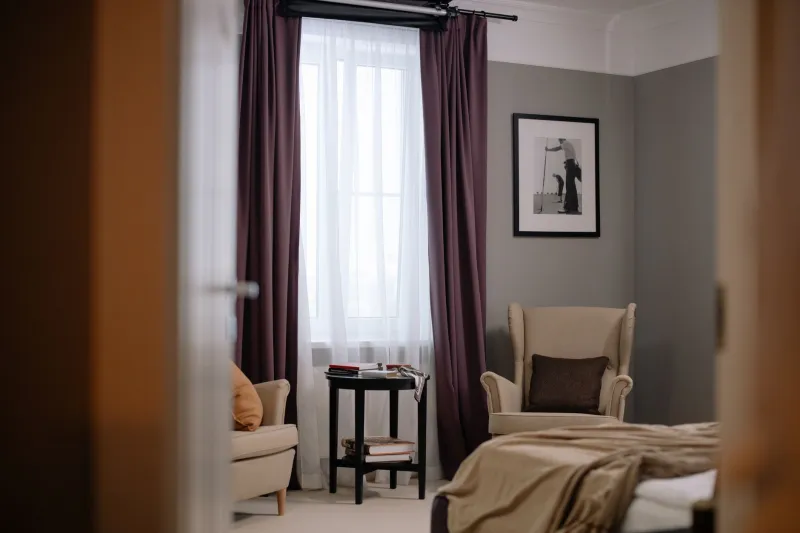
You’re sitting on the therapy couch. You just answered a question. Then… nothing. The clock on the wall seems louder than it did a minute ago. Your brain starts scanning for something—anything—to say. You consider commenting on the weather, the traffic on I-95, or the fact that you meant to bring up that thing from work but now can’t remember it. The silence feels awkward. Maybe you’ve even apologized for it.
Here’s the thing: your therapist probably isn’t sitting there judging your conversation skills. In fact, that quiet stretch may be one of the most useful parts of the session.
At Live Lucky Therapy, we talk a lot about making space for what’s actually going on—not just what sounds good on the surface. Silence is one of the ways that space gets made.
The Urge to Fill the Quiet Is Normal
Most of us are trained to keep conversation moving. Silence can feel like a social failure, like we’ve dropped the ball. In everyday life, that instinct is useful. Awkward elevator rides, first dates, phone calls with relatives—filling the gap keeps things comfortable.
But therapy isn’t a normal conversation. You’re not there to perform, entertain, or prove you’re good at talking. You’re there to notice what happens inside you. And sometimes that noticing takes longer than a quick back-and-forth allows.
When you rush to fill a pause, you may accidentally skip over the exact thought, feeling, or memory that was about to surface. The chatter isn’t bad—it’s just fast. Therapy asks you to try a different speed.
What the Pause Is Actually Doing
Silence in therapy isn’t one thing. It can serve a few different purposes, depending on the moment.
It gives emotion time to catch up. You might describe something logically—a breakup, a stressful project, a fight with your partner—while your body is still catching up. A pause lets the feeling land. If your therapist jumps in too quickly with a question, you might stay in your head and miss what’s happening in your chest, shoulders, or stomach.
It makes room for the unpolished thought. Rehearsed answers are easy. The stuff underneath them is messier. When a therapist waits, they’re often giving you a chance to hear yourself think—not just report what you’ve already decided.
It interrupts the rush. Many of us move through the day at inbox speed. We summarize, optimize, and move on. Silence slows that down. It’s a small rebellion against the idea that every moment needs to be productive.
It lets your therapist observe. Therapists are trained to notice patterns: when you look away, when your speech speeds up, when you laugh at something painful. A pause gives them information too. They may be deciding whether to ask a question, let you continue, or simply sit with you.
That doesn’t mean every therapist is silently conducting a master plan. Sometimes a pause is just a pause. But even then, it’s not dead air. It’s part of the room.
Silence Isn’t a Test You’re Failing
One of the most common things we hear is some version of, “Sorry, I’m being weird.” Usually, the person isn’t being weird at all. They’re being quiet for ten seconds, and their nervous system is treating it like a pop quiz.
If your therapist is worth their salt, they’re not grading you on how smoothly you fill the space. They’re paying attention to what happens when the space opens up. And if the silence feels too heavy, you’re allowed to say so.
Try: “I’m feeling pressure to fill this silence.” Or: “I don’t know what to say right now.” Or even: “Can we sit here for a second?” Those aren’t failures. They’re data. They tell your therapist something real about how you experience quiet, pressure, or being seen.
How to Stay Present When You Want to Chatter
If silence makes you want to launch into a monologue about your grocery list, you’re not alone. Here are a few practical ways to stay with the quiet instead of running from it.
Name the urge. Silently say, “I want to fill this.” Naming it creates a little distance between you and the impulse. You don’t have to obey every urge to speak.
Ground yourself in the room. Feel your feet on the floor. Notice the chair beneath you. Look at one object—a plant, a lamp, the edge of a rug. This isn’t a relaxation trick; it’s a way to stay in the present instead of spiraling into “what should I say next?”
Let one sentence be enough. You don’t have to deliver a full report. If a short answer is true, let it be short. “I’m not sure” is a complete sentence in therapy.
Get curious about the gap. Ask yourself, “What was I about to feel before I started talking?” Sometimes the answer is surprising. Sometimes it’s just, “I was about to feel embarrassed.” That’s still useful.
Tell your therapist what’s happening. You don’t have to manage the silence alone. A good therapist will adjust. They might explain why they paused, give you a moment to breathe, or help you practice staying in the quiet without panicking.
When Quiet Isn’t Helpful
Silence can be a tool, but it isn’t always the right tool. If a pause feels punitive, if you’re dissociating, or if you’re shutting down because you don’t feel safe, say something. Therapy should feel collaborative, not like a game where you’re supposed to guess what the therapist wants.
You’re allowed to ask, “What are you thinking right now?” or “Is this silence supposed to be doing something?” A solid therapist will welcome the question.
The quiet parts of therapy aren’t a sign that nothing is happening. They’re often where the real work settles in—where you stop performing and start noticing. At Live Lucky Therapy, we’re here to sit with you through both the words and the spaces between them.